What can four years of experimenting with university transformation teach us about making change last?
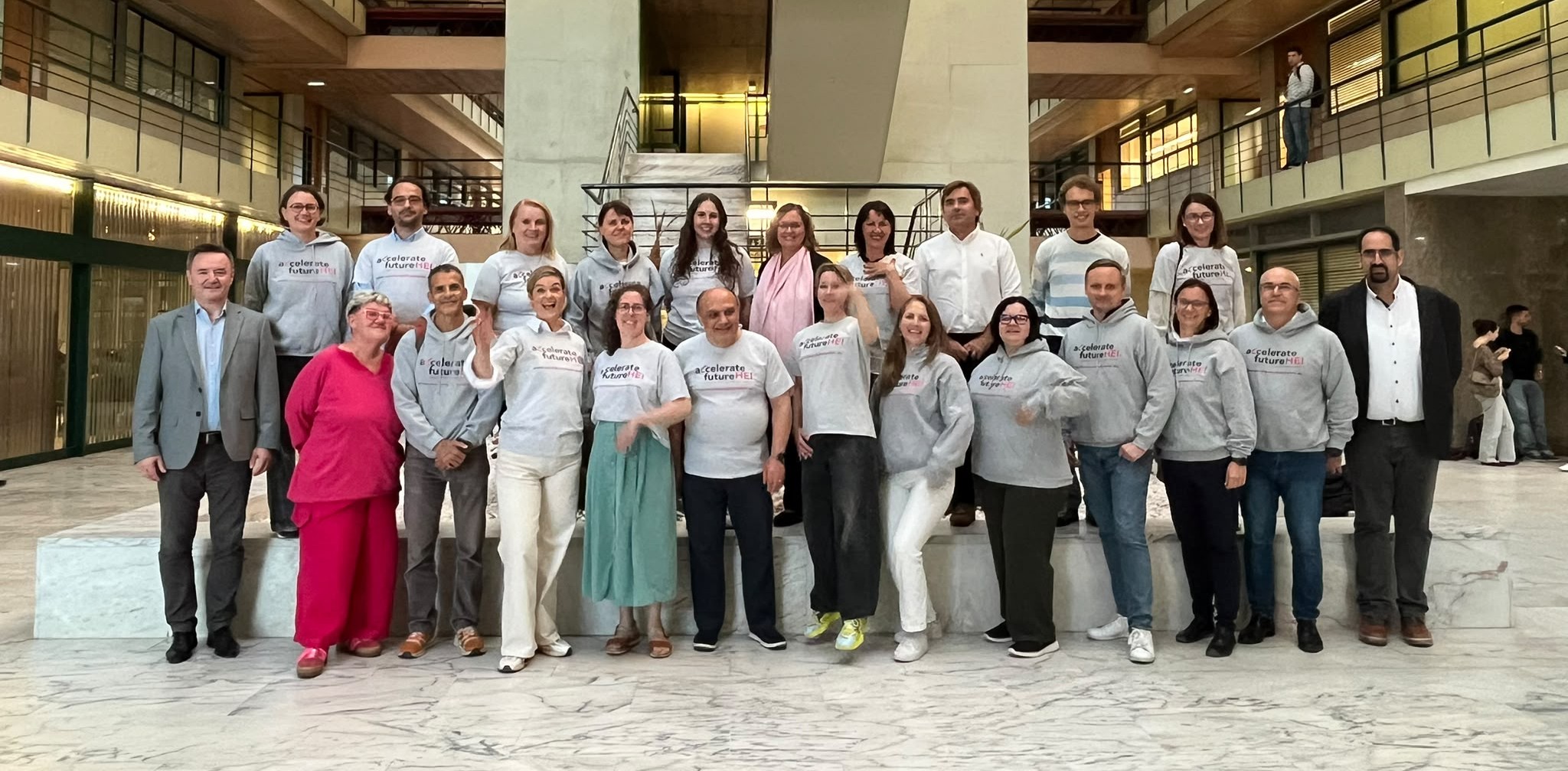
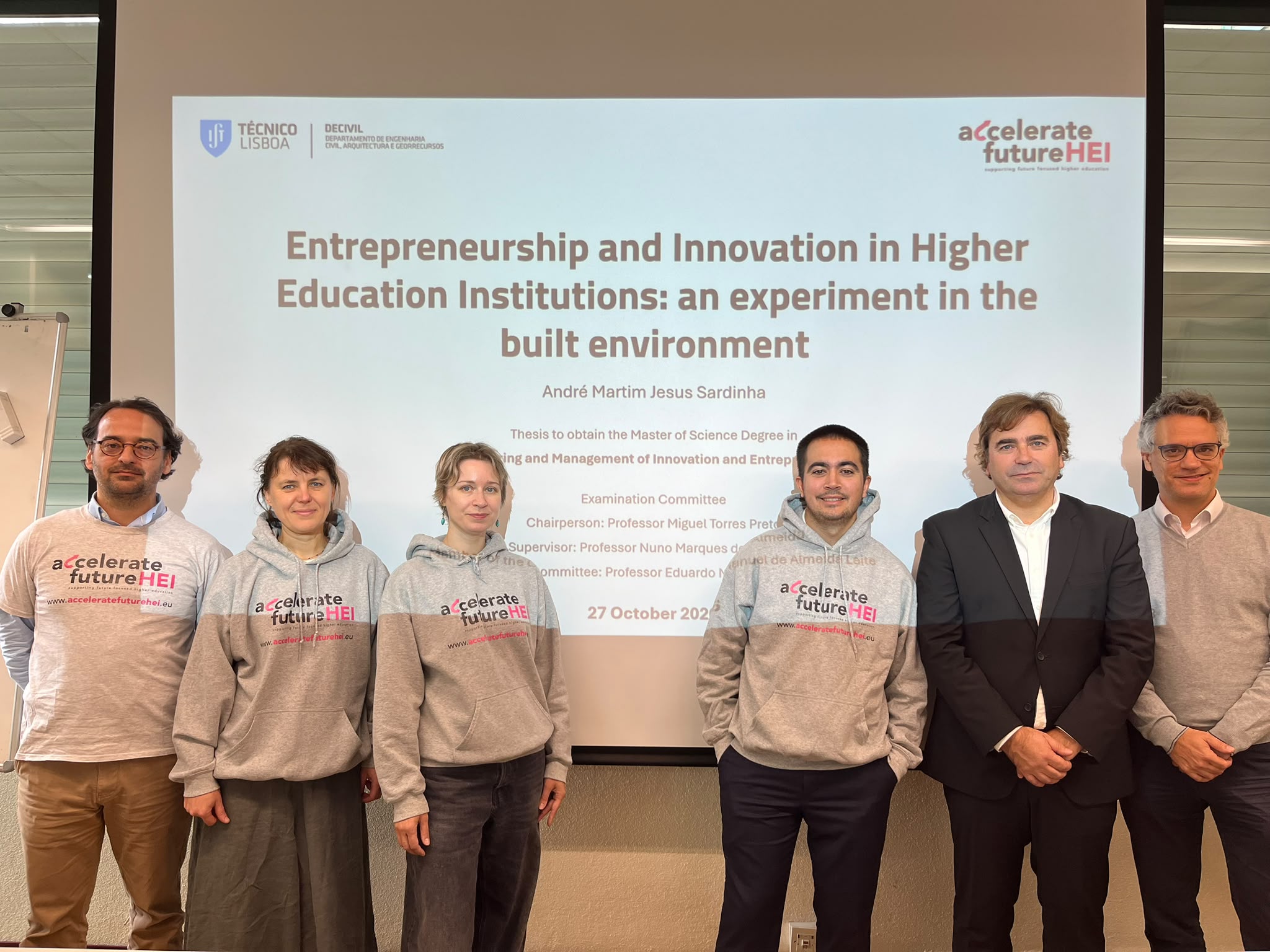
On 28–29 October 2026, all nine university partners of Accelerate Future HEI came together in Lisbon for the UIIN Future of Universities Summit. As the project approaches its conclusion, the event offered an opportunity to share experiences, exchange lessons with a wider international audience and reflect on what universities need to sustain their transformation journeys.
Across the Summit, participants were encouraged to challenge familiar university structures, question established practices and imagine new models for the future. For Accelerate partners, these conversations connected closely with four years of developing and testing institutional transformation approaches.
Different pathways to institutional transformation
During the Accelerate Showcase, three university partners shared examples of how acceleration services have supported their institutional ambitions.
At Politehnica University of Timișoara (Romania), the focus has been on embedding entrepreneurship and innovation more consistently into university life. Its InoHub initiative combines student ambassador networks, entrepreneurial learning activities and practical support for developing ideas.
University of Applied Sciences St. Pölten (Austria) presented how it has been expanding its established startup support model to embrace social innovation and ideas emerging from different disciplines, recognising that societal impact can take many forms.
Meanwhile, Vidzeme University of Applied Sciences (Latvia) shared how collaboration with regional authorities and businesses has helped strengthen its regional innovation ecosystem, including through three rounds of Business Laboratories developed with support from Accelerate.
These examples offered a glimpse into the diverse transformation journeys across the nine partner universities. Each institution has worked towards its own strategic vision, adapting acceleration services to its context, needs and ambitions.
The presence of all nine university partners created further opportunities for peer exchange and reflection on what has changed, what remains challenging and how the work can continue beyond the project.
Connecting institutional experiences with European policy
On the second day, UIIN facilitated policy roundtables bringing together Summit participants to explore four challenges: integrating education, research and innovation; enabling interdisciplinary collaboration; sustaining institutional change beyond project funding; and aligning policies and funding with university transformation.
The discussions will contribute to Accelerate Future HEI’s final policy brief, being developed in collaboration with the sister project aUPaEU. Sofia Beatrice Vercellone, representing aUPaEU, also participated in the Summit, contributing to the exchange of experiences across the two initiatives.
This collaboration builds on joint work between Accelerate Future HEI, aUPaEU and CATALISI, which concluded in 2025. The three projects have worked together to share evidence and develop policy recommendations on institutional transformation, formalised through a collaboration agreement in 2025.
The roundtables provided an opportunity to bring these experiences into conversation with a wider group of university leaders and practitioners, identifying barriers and recommendations for both institutions and policymakers.
Looking beyond the project
One message emerged repeatedly throughout the Summit: there is no single model for transforming a university. Institutional context matters, and approaches that work in one setting cannot simply be transferred to another.
As Accelerate Future HEI enters its final phase, the focus is increasingly on understanding what has become embedded within partner institutions, which capabilities and relationships have developed, and what support is still needed.
The discussions in Lisbon will inform the project’s final reflections and policy recommendations, helping translate four years of experimentation into lessons for universities across Europe.
The project may be approaching its conclusion, but the transformation journeys of its nine university partners continue.